During February Ian Hawkins, the site manager of RSPB Cors Ddyga Reserve lectured on the Land history of Anglesey and the birds that live Cors Ddyga reserve.
The history of Anglesey

Anglesey in located on the Bariom fault line, this has caused a difference in rock type between the South East and South West side of Anglesey. One the South East side the rocks are much harder as they are pre-Cambrian, the rest of Anglesey has much softer Carboniferous rocks.
During the ice age the softer rocks became corroded, this left behind marsh land that would eventually be reclaimed by the locals as farmland. Eventually the land became a source of coal with coal miners collapsing the land behind them creating the wetland that Cors Ddyga is now situated on.
Bird life on Cors Ddyga reserve
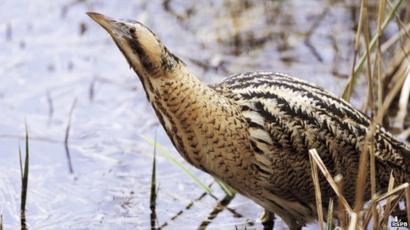
Cors Ddyga is located within an SSSI reserve (site of special scientific interest) with a priority in breeding bitterns that have lived on the site since 2016. With an increase in bittern reed beds Marsh Harriers have also made a return to Anglesey after near extinction in the UK due to the use of DDT.
In addition to this grassland habitats have caused an increase in Wildfowl such as shovelers and tufted ducks as well as lapwings.
My Thoughts and My Career
I found this talk to be very informative about the history of Anglesey and the work that is currently underway one Cors Ddyga reserve. This however is not my area of interest so I did not find this talk as enjoyable as ornithologists would. I also do not believe that this talk has given me direction for my career as I do not want to go into reserve management. Despite this through attending the talk I have gained an appreciation for the use of conservation in protecting species from extinction, this is especially important at the moment as the rate at which species are becoming extinct is increasing.
For more information on Cors Ddyga click here.
For more information on the Eurasian Bittern click here.
 Bethan's Blog