Hi, my name is Bethan Johnson. I am a third year Biology student with an interest in microbiology. For one of my third year modules I created this blog to discuss seminars and workshops that I had attended throughout the year.
Click Blog Feed Below For Science and Employability Blog
Hi, my name is Bethan Johnson. I am a third year Biology student with an interest in microbiology. For one of my third year modules I created this blog to discuss seminars and workshops that I had attended throughout the year.

Throughout the year I decided to go to seminars on a range of topics in order to broaden my knowledge so I could ultimately decide on which direction I want my career to go. By doing this I managed to gain an appreciation for the broadness of biology and the number of possible career paths that the degree I chose encompasses.
Some of the seminars I attended such as those by Richard Pierce and Ian Hawkins I found to be less relevant to my career path as I quickly realised that working in conservation and with large mammals is not something I want to pursue in the future. I did however recognise the importance of these fields in biology and their usefulness for preserving the global diversity in the future.
On the other hand talks such as those by Professor Chris van der Gast and Gary Porter Jones I found to be essential to me deciding on the area of biology that I wanted to work on, this is because they further increased my interest in microorganisms. This has clarified the area that I would like to work in in the future.

During this module there were also workshop sessions. I would not normally attend sessions like these as previously I thought that they would not be beneficial to me. However, I did find that these helped me to increase my skills in a number of different areas that are essential to securing a job in the future such as CV writing, answering interview questions and working in pressurised situations. Answering questions in an interview style scenario showed me that I often worry unnecessarily, and I am competent at talking about subjects I am studying e.g. my dissertation and in turn I have gained a little more confidence in these situations.
Through attending seminars, I gained an appreciation for the importance of research and how results can be applied and improve every day life. Because of this I have decided that I would like to pursue a career in research starting with a masters next year and then going on to a PhD. I went into my degree wanting to specialise in pathogens in animals and was particularly interested in viruses that incorporate their DNA or RNA into the host cell such as murine leukaemia virus, which is thought to cause cancer in mice. After studying in my third year and attending various seminars I have decided that for my masters I would like to focus on extremophile microorganisms, specifically the isolation of new archaea.
After my master’s degree I hope to continue in my research on extremophile microorganisms by studying for a PhD on this topic. I believe this will stand me in good stead for a career in research.
Another important skill I have improved on during this module is using social media. Previously I have not kept up with any of my social media accounts having both a twitter and an Instagram that I rarely used. I feel that through learning how to write formative posts in blog format I have will now have the confidence to post more often on other social media platforms in a formative way to relay knowledge I have learnt through my study to others.
During February I attended a talk by Professor Chris van der Gast from Manchester Metropolitan University in which he looked at what cystic fibrosis is and methods of diagnosis.
Cystic Fibrosis

Cystic Fibrosis is a ‘common autosomal chronic genetic recessive disorder’. This means that the only way to inherit this disorder is if both parents have the gene that encodes for it.
If two recessive genes are present then this causes a CFTR (Cystic fibrosis transmembrane conductance regulator) mutation that in turn thickens the mucus on the outer layer of epithelial cells, preventing chlorine from leaving the cells. Due to the large number of mutations that can occur at the CFTR gene position cystic fibrosis can range from mild to severe.
Methods of diagnosis
During the diagnosis process in hospitals doctors look for one bacteria that is normally present in patients that have cystic fibrosis via a culture-based technique. This method is limited in hospitals as you can only grow the bacteria in specific conditions, this means that you do not get a full indication of all the bacteria present.
In this talk Professor Chris van der Gast introduces the idea of using PCR in order to improve cystic fibrosis treatment. This suggestion is based on a study he has conducted into the decrease in lung microbiota diversity when lung function is reduced. He conducted this study by examining the sputum samples of patients from both Europe and the USA via amplicon sequencing, this was then compared to the US cystic fibrosis Foundation Patient Registry.
My Thoughts and My Career
This area of study is of interest to me and this talk increased my enthusiasm. I found the talk itself highly informative with lots of data shown as well as methods as to how the research was carried out. I thought the addition of speculation as to how the findings presented in the talk may affect patients in the future was compelling as it gave an insight into how research that is done in the lab can affect peoples lives.
I found this talk has further increased my interest in working with microorganisms and has opened my eyes to the possibility of working in research in the future. Listening to a researcher talk about his work and relay how passionate he was about his findings has made me interested in pursuing a career path in research and working on an area that I also am passionate about.
For more information on cystic fibrosis click here.
During February I attended a talk by George Turner who is a lecturer at Bangor University on cichlids, a family of fish that are common in Africa and South America.
Cichlids of Lake Malawi

Recent work by George Turner has included beginning to sequence the cichlid species in Lake Malawi, this is done via a genome wide dataset. One species that is mentioned during this talk is Astatotilapia calliptera, the Eastern Happy fish. This is of particular interest as it is found within the Lake, rivers flowing in and out of the Lake but also in rivers that have no links to the lake. This indicated that the rivers in that area were once all linked with the lake forming later on and fish moving into the lake from the rivers.
Tanzania Rivers and Craters
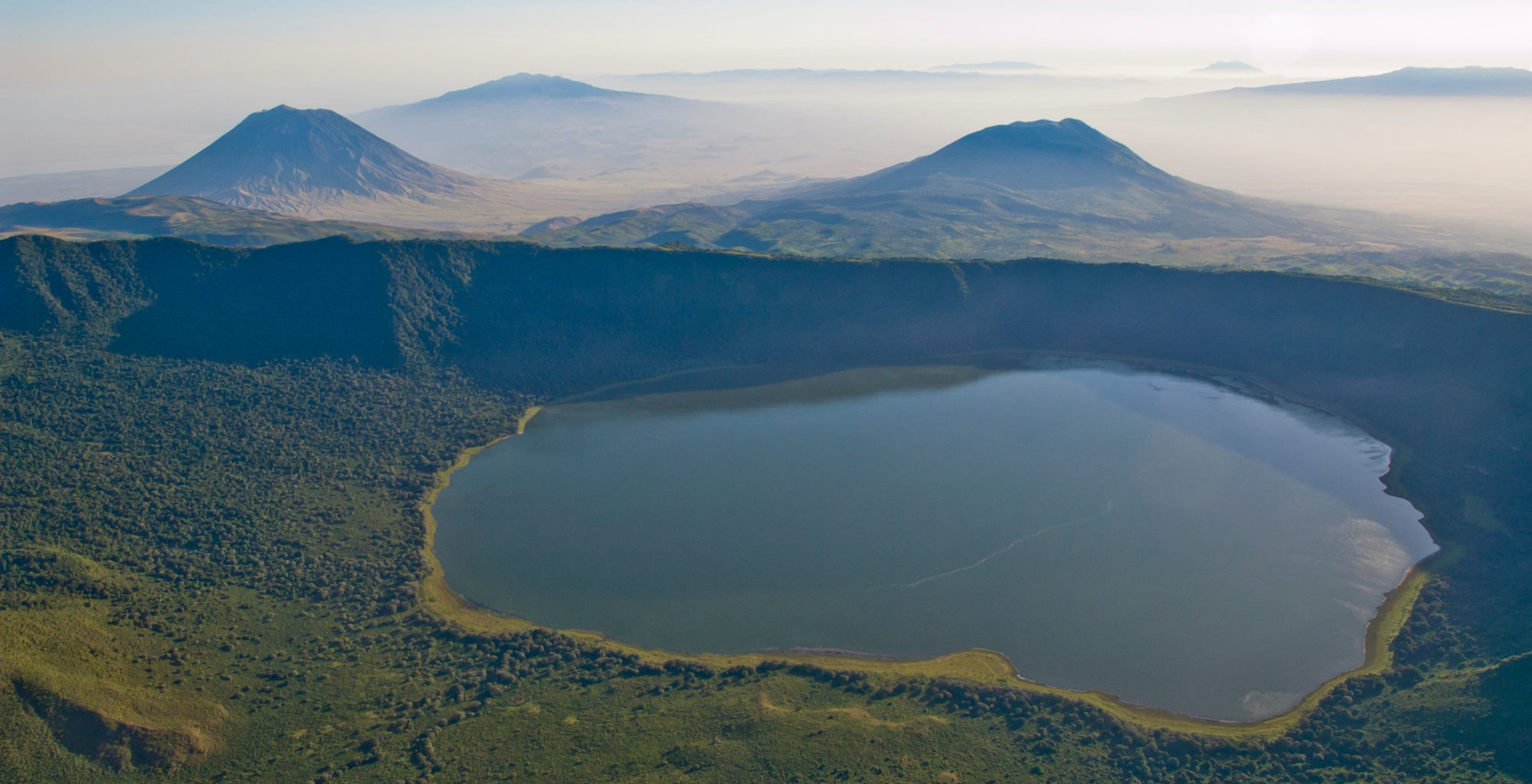
During his time in Africa George Turner worked in Tanzania collecting fish as the old specimens were not maintained therefore in poor condition. During this time four new species of cichlid were discovered. Another study in Tanzania took place in the crater lakes, during this time it was determined that each of the seven main lakes contain species endemic to that lake alone. This is due to differences in the depth of water in each lake causing speciation.
My Thoughts and My Career
I did not find this talk engaging; this may be due to my lack of interest into the topics that this talk covers. Even though I do not have a passion in this topic I can however see an importance in the understanding of species diversity as it enables more productive ecosystems with each animal filling a niche.
I do not think that the topic of the talk itself will be an area that I will go into in the future. On the other hand, this talk has shown me that through research even the most complex of concepts, such as the cichlid family tree, can be made sense out of. Knowing this may motivate me in the future if I come across something complicated in my own work that needs solving.
During February Ian Hawkins, the site manager of RSPB Cors Ddyga Reserve lectured on the Land history of Anglesey and the birds that live Cors Ddyga reserve.
The history of Anglesey

Anglesey in located on the Bariom fault line, this has caused a difference in rock type between the South East and South West side of Anglesey. One the South East side the rocks are much harder as they are pre-Cambrian, the rest of Anglesey has much softer Carboniferous rocks.
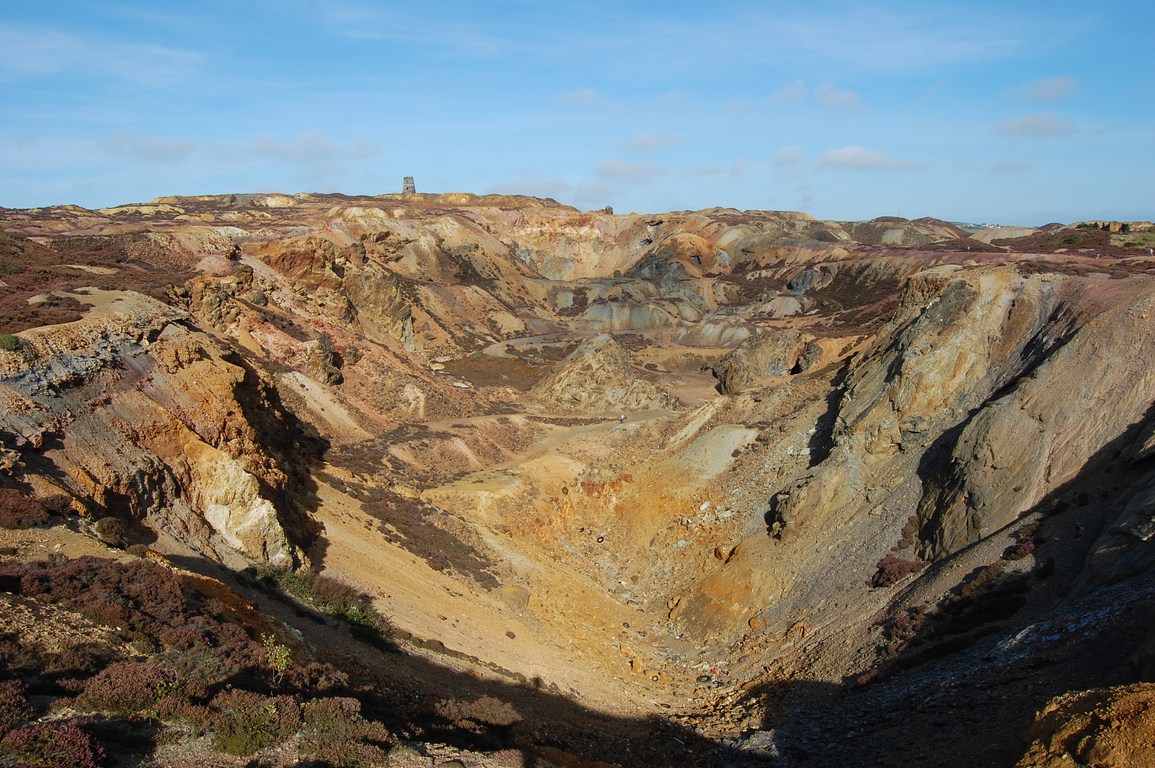
During the ice age the softer rocks became corroded, this left behind marsh land that would eventually be reclaimed by the locals as farmland. Eventually the land became a source of coal with coal miners collapsing the land behind them creating the wetland that Cors Ddyga is now situated on.
Bird life on Cors Ddyga reserve
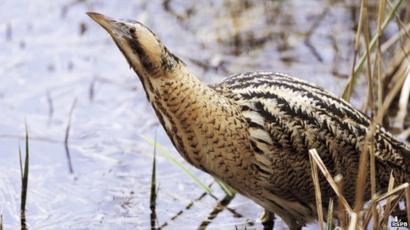
Cors Ddyga is located within an SSSI reserve (site of special scientific interest) with a priority in breeding bitterns that have lived on the site since 2016. With an increase in bittern reed beds Marsh Harriers have also made a return to Anglesey after near extinction in the UK due to the use of DDT.
In addition to this grassland habitats have caused an increase in Wildfowl such as shovelers and tufted ducks as well as lapwings.
My Thoughts and My Career
I found this talk to be very informative about the history of Anglesey and the work that is currently underway one Cors Ddyga reserve. This however is not my area of interest so I did not find this talk as enjoyable as ornithologists would. I also do not believe that this talk has given me direction for my career as I do not want to go into reserve management. Despite this through attending the talk I have gained an appreciation for the use of conservation in protecting species from extinction, this is especially important at the moment as the rate at which species are becoming extinct is increasing.
For more information on Cors Ddyga click here.
For more information on the Eurasian Bittern click here.
In January I attended a seminar by Gary Porter Jones from Public Health Wales NHS Trust on tuberculosis, including treatment and care for patients with the infection.

What is tuberculosis?
The first section of this talk was dedicated to ensuring that each student in the room fully understood that this particular illness is caused by a mycobacterium complex, this complex includes M. tuberculosis, M. bovis and M. africanum. I thought that this approach was excellent as even though the talk was aimed at biology students there were also students that did not have a biological background at the talk. By doing this he made the seminar accessible to everyone.
Tuberculosis Transmission
The main way to catch this disease is via contaminated water droplets in the air such as those expelled during breathing or singing. You need to be in close contacted with a patient that has active tuberculosis for prolonged periods of time in order to become infected.
Due to the slow division rate of the bacteria, in 95% of cases the infected individual is able to supress the bacteria. This is then known as latent tuberculosis.
One third of the human population is thought to have a tuberculosis infection, a majority of these are latent tuberculosis.
In the other 5% of cases the bacteria continue to multiply, and this then becomes active tuberculosis.
Tuberculosis diagnosis and treatment
IGRA tests are available, these are blood tests that indicate the present of Mycobacterium.
If the test comes back positive for tuberculosis, then treatment can commence for at least the next six months to ensure the bacterium has been fully eradicated.
My Thoughts and My Career
I thought that during this talk Gary Porter Jones was very engaging and willing to answer any questions that were asked. The information in this talk was relayed in such a way that it was accessible to all the students who went, even though I have had lectures on tuberculosis previously in a module last year I still felt that I left this seminar with more knowledge that I had entered with on this subject.
I found this talk to be a very useful talk to attend as it gave me an insight into a different area of biology that I hadn’t previously thought about. The idea that there is a possibility in the future for me to use my knowledge gained during my biology degree to inform others is a field that I have not previously looked into. In addition to this I thought that the topic of the talk was very informative as it did a good job at highlighting tuberculosis within the UK.
I have had an interest in microorganisms since the start of university and this talk has increased my interest. In addition to this by going to this talk I have realised that there are many different pathways that I can take that do not include research but still allow me to work in an area that interests me.
If you want more information on tuberculosis click here
In November, wildlife conservationist and author, Richard Pierce visited in order to give a talk on two topical issues both of which related to human interactions with animals.
The orcas of Dyer Island

The first part of the talk consisted of a quick synopsis of the book ‘Orca: the day the great white shark disappeared’ that was written by Richard Pierce about his work on Dyer Island.
During this section it is revealed that in the waters surrounding Dyer Island the appearance of two orcas called ‘Port’ and ‘Starboard’ had caused great white sharks to disappear. On the island cage diving was one of the main sources of income for the locals which caused many members of the local community to want the orcas to be killed. It was later discovered that the orcas were predating on the great white sharks and eating their livers, this is still an ongoing issue for tourism on the island.
Canned hunting
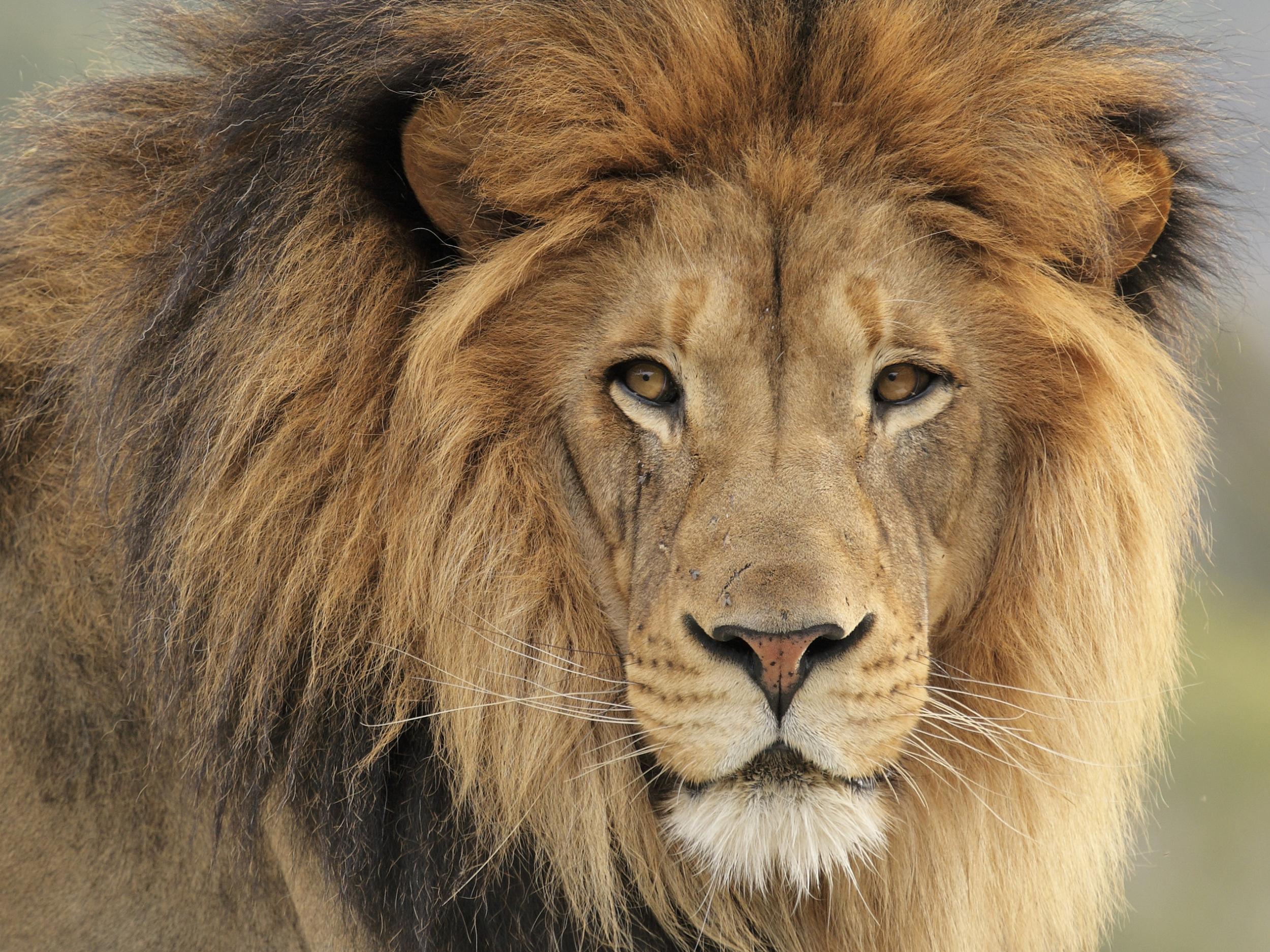
The second issue that was brought up during this talk was the highly controversial method of canned hunting, in particular the cases where lions are farmed in a way that gains the most profit.
The first step in this process is when cubs are bottle fed by volunteers that believe that they are orphaned, many of these volunteers are also under the belief that these lions will later be released into the wild. Once the cubs become too old for this, they become part of the wider tourism industry where the public can take photos with them and once the lions are mature enough the public can pay to walk them. Eventually the lions are fully mature and no longer useful for this industry, at this point many of the lions are sold to a hunter who pays to shoot and kill the lion.
My Thoughts and My Career
This particular talk did a very good job at highlighting some of the issues surrounding animals in the tourism industry. It did become apparent however throughout the talk that the main focus of this presentation was to sell the book ‘Orca: the day the great white shark disappeared’ and promote the upcoming film ‘Lions, Bones and Bullets’ that will be released in 2020. With this in mind I think the talk by Richard Pierce made me realise the importance of being able to relay information to the general public so that they can make informed decisions.
In addition to this I thought that the way that the information was relayed through story form was good as it enabled it to be more accessible to both people with a zoological background and without. This made me think about the different ways that the same information can be worded and portrayed and how this can change how many people it can reach.
Even though the talk was not on an area of interest for me I did find it interesting and insightful. I do not believe that this talk will impact my career choice but it has made me more aware of misinformation and issues that are happening around the world.
If you want more information about the work of Richard Pierce click here.
During the first semester one of the workshops run by the Science and Employability module was based on how to write a business plan.
The business model canvas
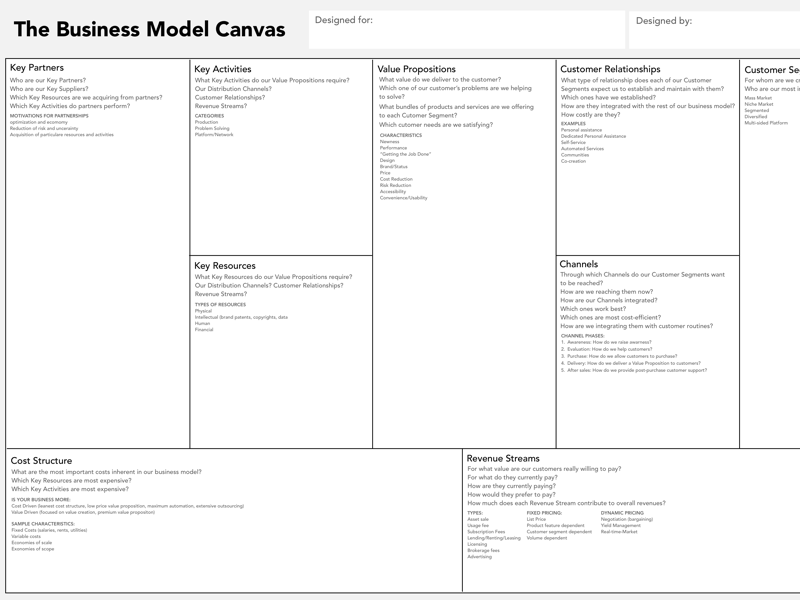
This business model is split into nine sections as seen above. When filling in this canvas begin with the right-hand side and finish with the left.
The sections on the model are as follows:
During this workshop it is made clear that the first canvas made rarely works and in order to create a functioning business refining of the model is done multiple times. This can be done via prototyping; this is the act of testing each business model out in real world situations and gathering feedback. Whilst doing this there are a few things that should be taken into account such as; who else is already in the market, who will supply that materials needed to produce the product and what steps will be taken to ensure all products are of the same quality.
My Thoughts and My Career
I did not find this workshop to be interesting or beneficial to me as I have also been taught how to use this business plan in another module, I can see the use of this to others though that have not done the same modules as me.
I do not think that this workshop will be helpful to me in the future as I do not want to follow a career path that will involve creating my own business. Despite this there are still some aspects of the workshop that I can use such as the refining skill that was taught through finding ways to change models that did not work, if I go into research in the future this will be a useful skill to learn.
During first semester within the Science and Employability module I attended a Career planning and graduate CV workshop.
Career Planning
The first section of this workshop was used to inform us about the process of planning for a future career. During this time it quickly became apparent that there are four main areas that need to be looked at when thinking about a career.
Decisions
In this part we were encouraged to think about the subjects that we enjoy and select areas within these that we are good at.
Experience
This was an assessment of the point that we are currently at within career planning, considering current experience in the field chosen such as extra-curricular work and modules we have taken throughout university life.
The Working Environment
After deciding what the best option is for a career path there is still many other factors that now need to be considered. These are work related and may help you to decide on the best job for your specific needs such as salary, job security and working hours as well as the opportunity to progress further in your chosen job.
Organisations and employers
This is again another important section, in this the importance of knowing who is employing you and how they recruit is explained as this could be important for tailoring your CV and preparing yourself for attempting to get a job.
Writing a CV
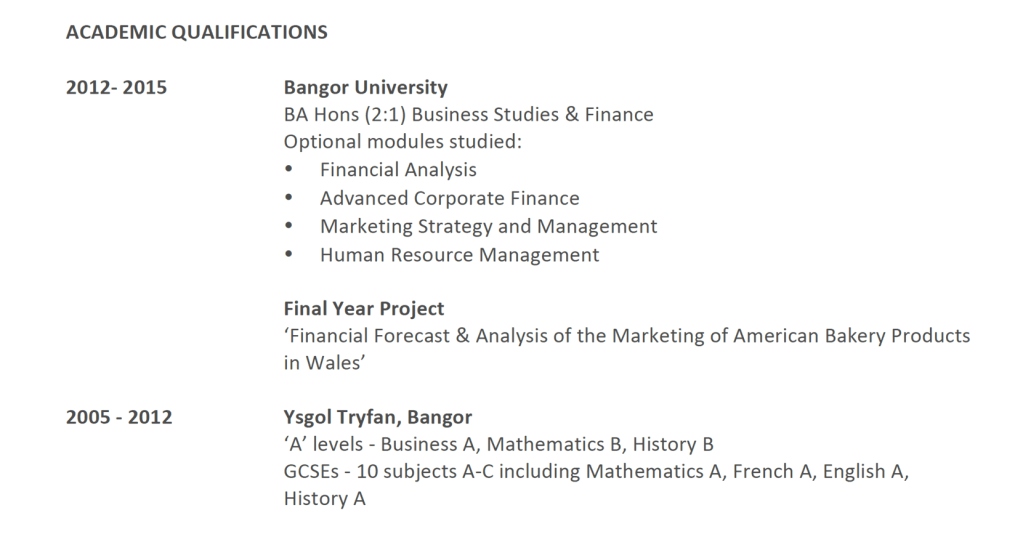
In the second half of the workshop advice was given on how to refine and complete a CV including structuring and optional extras that can be added to personalise.
My Thoughts and My Career
I found this workshop extremely useful as it gave me information on planning for a career which will be needed after my masters. It also put into prospective the amount of planning required to ensure that the job chosen is one that I will be happy in.
In addition to this I found that after this workshop I was able to look over my CV and pick out areas that I needed to work on such as my experience section. Because this was an area of weakness I then applied for an internship at the University in the hope that I would be able to add to this section. I thought that this was a massive positive that I gained from this workshop even though prior to the event I was skeptical as to how helpful it would be.
The first workshop set up by the Science and Employability module was the ‘Interview Workshop’, this was split into two sections with the first hour being a critical thinking task and the second hour being interview practises.
Critical Thinking
After being split into small groups a task was presented to the room. This particular task was to decide on ten items from a list of 35 that would allow the entire group to survive if your plane crashed on a mountain in the Winter with no idea of how long it would take to be rescued. Some of these items were more comical such as the ‘3 x size 8 women’s promotional pink ‘Barbie’ branded fleece-lined tracksuits’ and some were items typically found in survival kits such as the ‘whistle’ and ‘signal flares’.
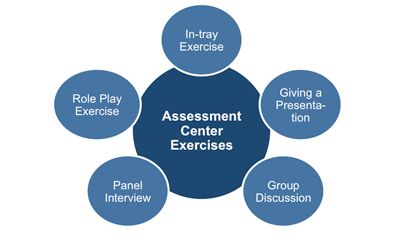
This task was used in order to show a typical task given at an assessment centre during the recruitment process and to allow feedback from an assessor on how each ‘candidate’ reacted to the task.
Interview Practises
During the interview section of this workshop each ‘candidate’ was asked three typical interview questions. Feedback on the answers given was presented by both the assessor and peers who were asking the questions.
My Thoughts and My Career
Throughout this process it was highlighted by my assessor that I tend to result to humour when I am under pressure, this was presented as both a positive and a negative point as it worked as an icebreaker to put the group at ease in the critical thinking task but is not suitable for interviews. I found this feedback very useful as it pinpointed areas that I need to work on in the future.
I found the critical thinking task very useful as it made me aware of my role within a group and how an assessor may see this. My group was a very inclusive group allowing everyone to voice their opinion and deciding on the items taken based on a majority vote. This was relayed to us as a positive by the assessor as it showed a good ability to work as a group.
The second task, interview practises, I thought was much more difficult as it was a more pressurised situation. I found that as the process moved on I felt more at ease with my second and third answer being much more concise than my first, this was also brought up in my feedback. I also noticed that I am able answer questions more easily if I can link them to topics that I am interested in.
Overall I found that interview practise in a pressurised situation was helpful in giving me realistic feedback that I can use in order to improve for job interviews in the future. I think that this workshop has not changed my career plans but it has given me tools that I can use in the future to succeed in getting a job.


 Bethan's Blog